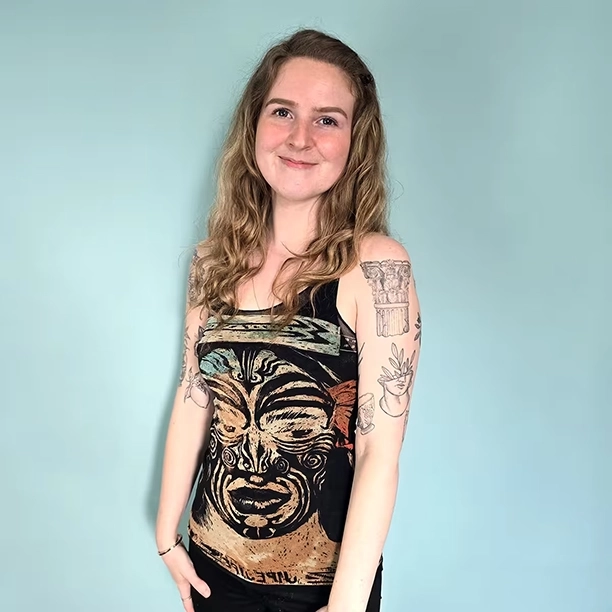
Gaultier launched the Junior diffusion line in 1988 for younger fans who couldn’t buy his flagship designs. Gaultier stated that the lower-priced line was not a money grab, but rather a genuine creation out of love so that club-going young people could have a piece of the fun. The move cemented his reputation in the fashion industry as someone who could balance creative and commercial success.
As I have quite a few articles from Jean Paul Gaultier collections that fall on either side of Junior Gaultier‘s existence, I have decided to create a page exploring the collections that came after the Junior Gaultier line ended. Expect quite a few Gaultier Jean’s items and some mainline too. I have pieces from Souvenirs De Vacances of Spring/Summer 1987, The Russian Constructivist Collection Fall/Winter 1986-87, and Les Rock Stars from Fall/Winter 1987, as well as Tribute to Frida Kahlo/Flamenco Spring/Summer 1998.
‘Fin de Siècle’ (End of Century) | ‘1940s Latino Lover’ Spring / Summer 1995
Women’s prêt-à-porter
Jean Paul Gaultier’s Fin de Siècle Spring/Summer 1995 collection mixes styles from different decades to create a fresh, modern look. Instead of copying the past, Gaultier combines old and new ideas to show how fashion can evolve. Read more about the Fin de Siècle collection here.
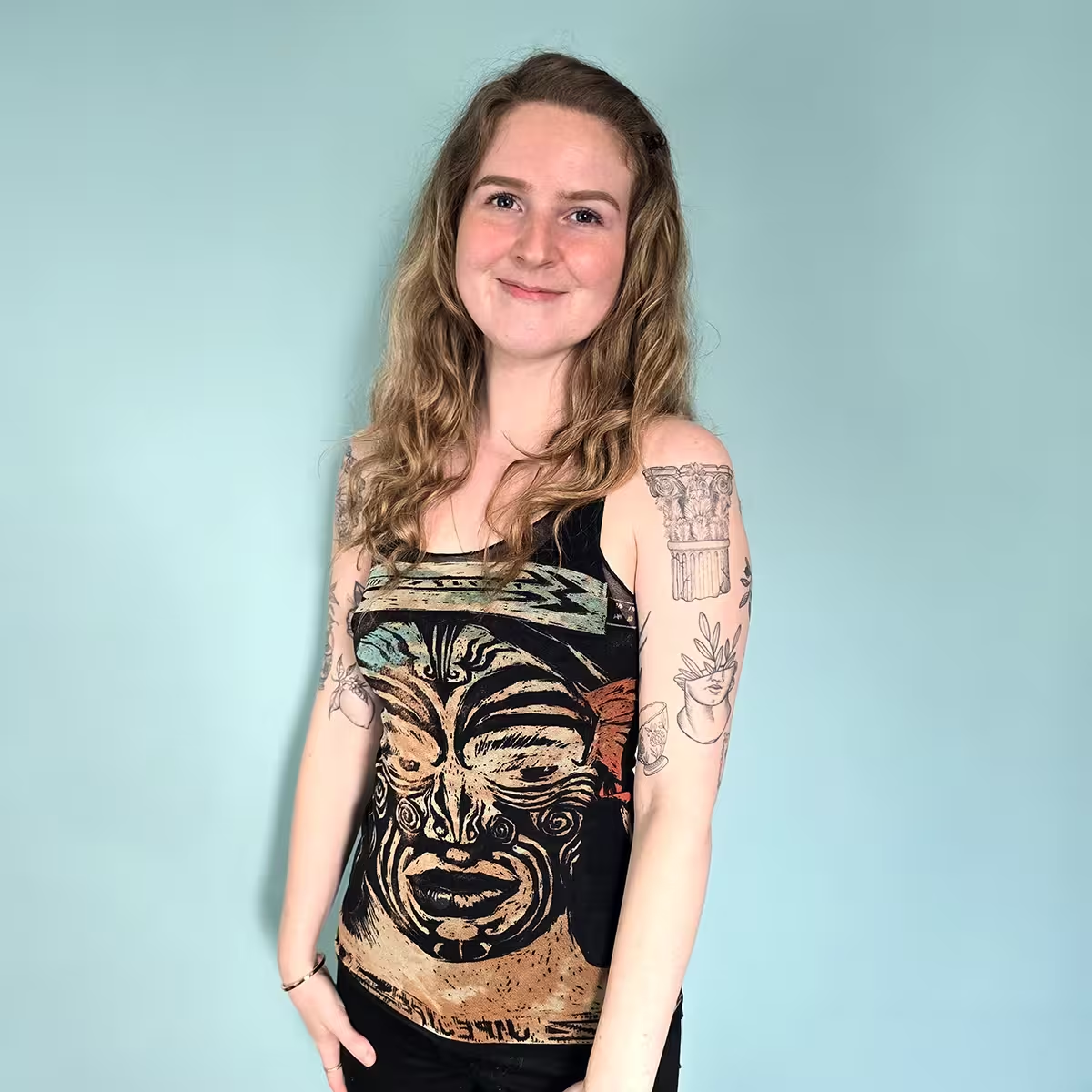
‘Cavaliere et Amazon’s de temps Modernes’ (Horsewomen and Amazones of Modern Time) (Mad Max) Autumn / Winter 1995-96
Women’s prêt-à-porter
Jean Paul Gaultier’s Cavalières et Amazones des Temps Modernes Autumn/Winter 1995–96 collection imagined a world where technology, punk and post-apocalyptic glamour collided. Featuring cyberdot prints, techno-tribal jewellery and warrior-inspired styling, the landmark “Cyber” collection became one of Gaultier’s most influential runway shows. Read more about the Cavalières et Amazones des Temps Modernes collection here.

Safe Sex Forever Spring / Summer 1996
The “Safe-Sex Forever” tattoo designs were from “Cyberbaba”, yet it appears that they had their own mini advertising campaign, particularly for the Gaultier Jean’s label.
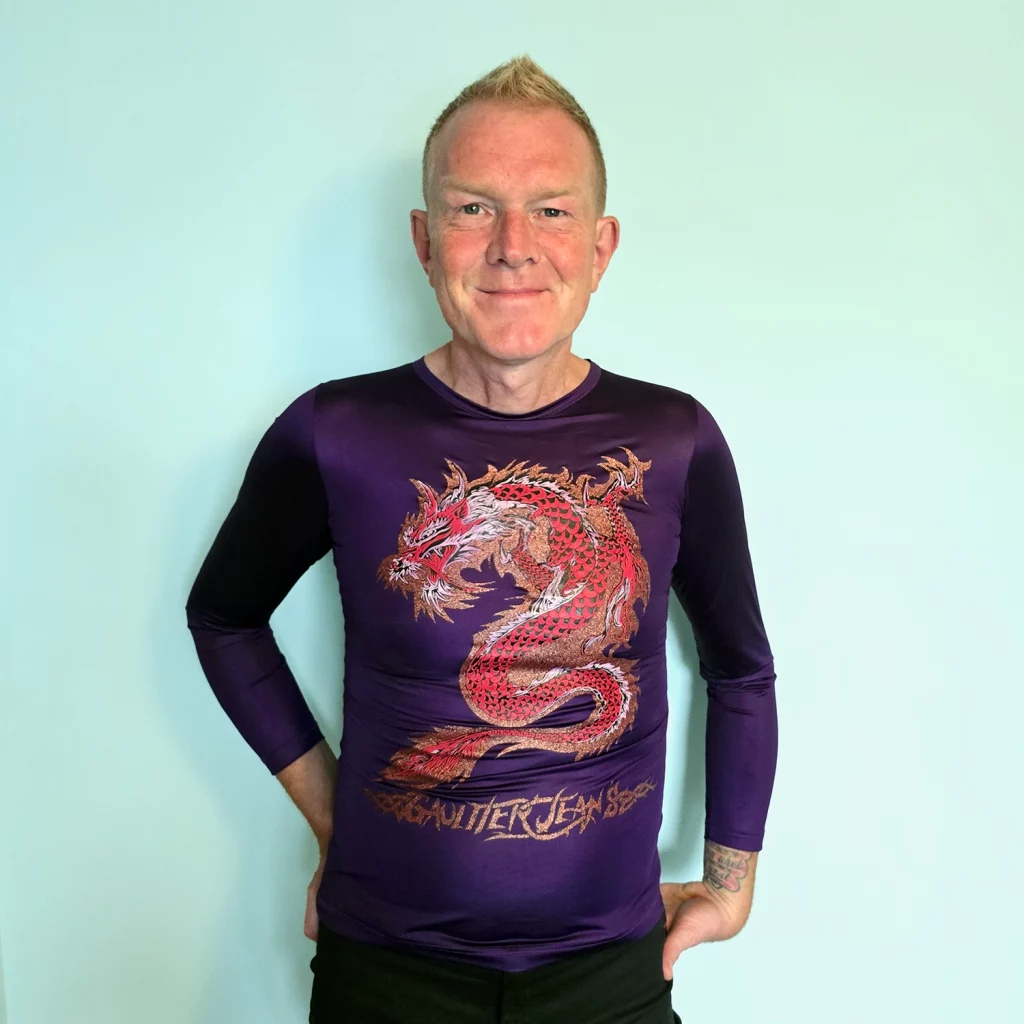
‘Cyberbaba’ | ‘Pin-Up Boys’ Spring / Summer 1996
Women’s prêt-à-porter / men’s prêt-à-porter

In Gaultier’s own words, “It’s called Cyberbaba. It means cyber as in cybernetic, and baba, ‘it’s ‘baba cool’ a French expression meaning hippy. So it’s a mixing of new technology and also the ecology of the hippy.’
These tribal tattoo jeans get a lot of compliments when I wear them, and I’ve only recently dug out the velvet vest that I didn’t think went with anything – maybe it doesn’t! This collection is the most amazing sensory overload you could ever wish for. The jeans don’t feature on the catwalk, but the pattern is represented in several colourways by semi-sheer dresses and shirts. As well as the tribal tattoos, there are printed optical illusion body map mesh items with gold metallic foil sections that emphasise the cybernetic circuits.
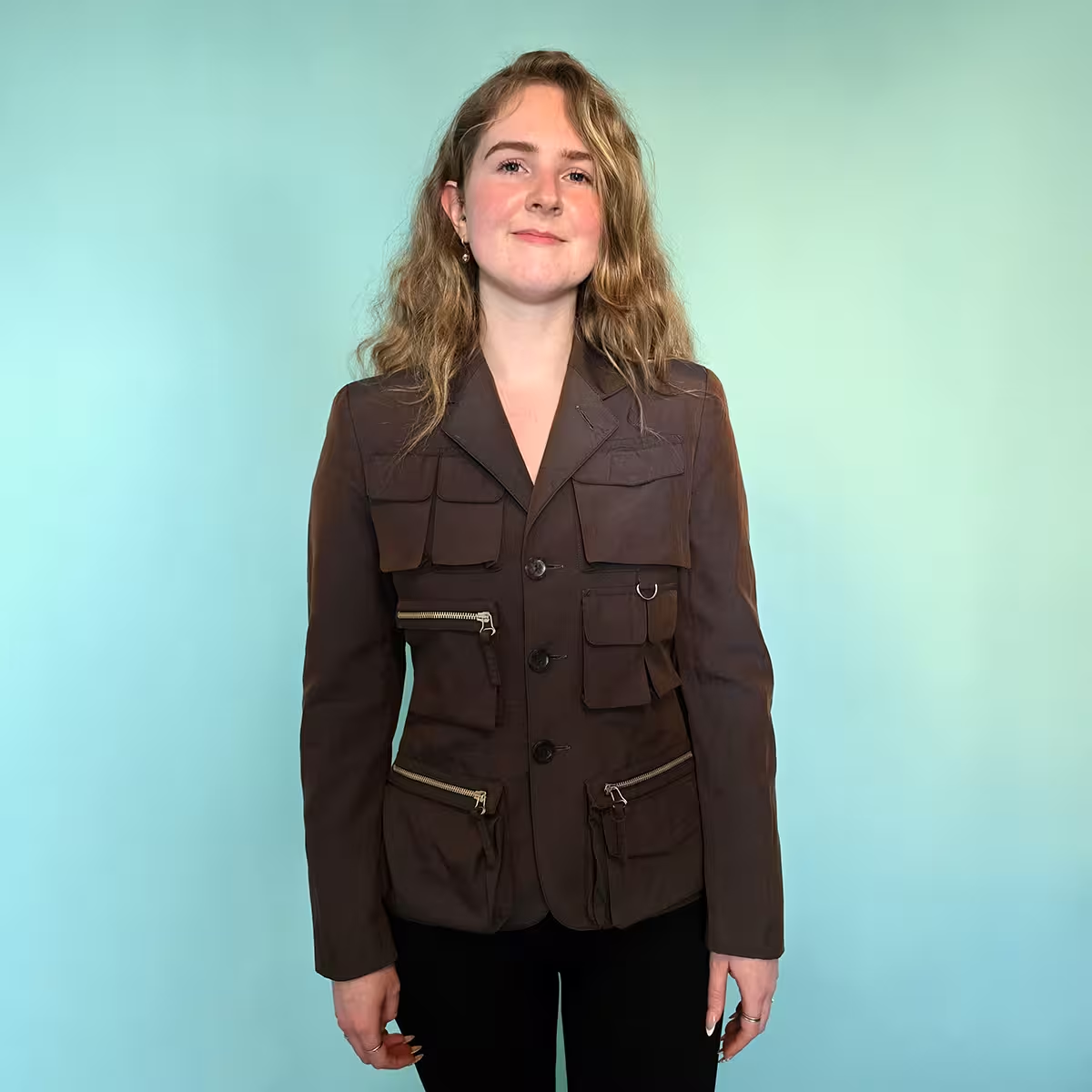
Gaultier muse and regular male model Tanel Bedrossiantz joins the show wearing the most amazing shiny pinstripe suit. In the Pin-Up Boys collection, he can be seen wearing a pink sailor suit and looking beautifully camp.
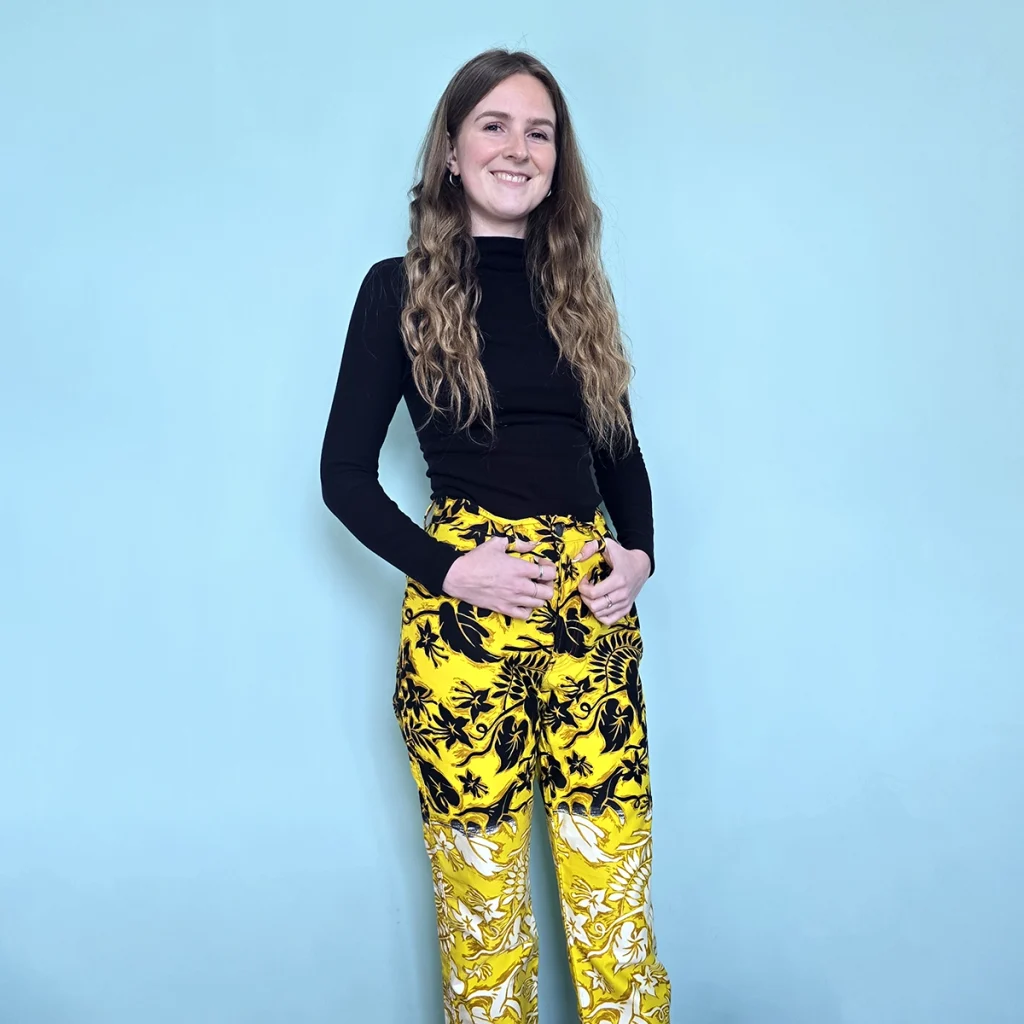
After watching the show, I was able to date the Hawaiian palm-print jeans (below), which really caught my eye on the catwalk and added yet another distinctive pattern to an already wonderfully varied collection.
I gained an admiration for the prints of whole animals, including a vibrant flamingo, an elephant, and a goat – it is great to see their context within the collection as semi-sheer tops in a patchwork mash-up of both solid colour and printed panels. There’s one particular shirt design with a snake that I particularly like, slithering over a block of metallic gold with the sleeves in the now iconic futuristic dotted print inspired by Op Art artist Victor Vasarely and used extensively in the previous season’s Mad Max collection.
Not forgetting the cyber trompe l’oeil muscle print jacket with halftone dots that always reminds me of Robin Williams’s pensive look while being snapped wearing it.
Many of the models’ feet feature Geta, traditional Japanese footwear with a flat wooden base elevated with up to three blocks, or “teeth,” secured to the foot with a fabric thong. They are designed to elevate the wearer from the ground and thus protect the hem of the clothes (particularly expensive kimonos) from getting dirty.
‘La Boule et le Cube’ (Sphere and Cube) Autumn / Winter 1996-97

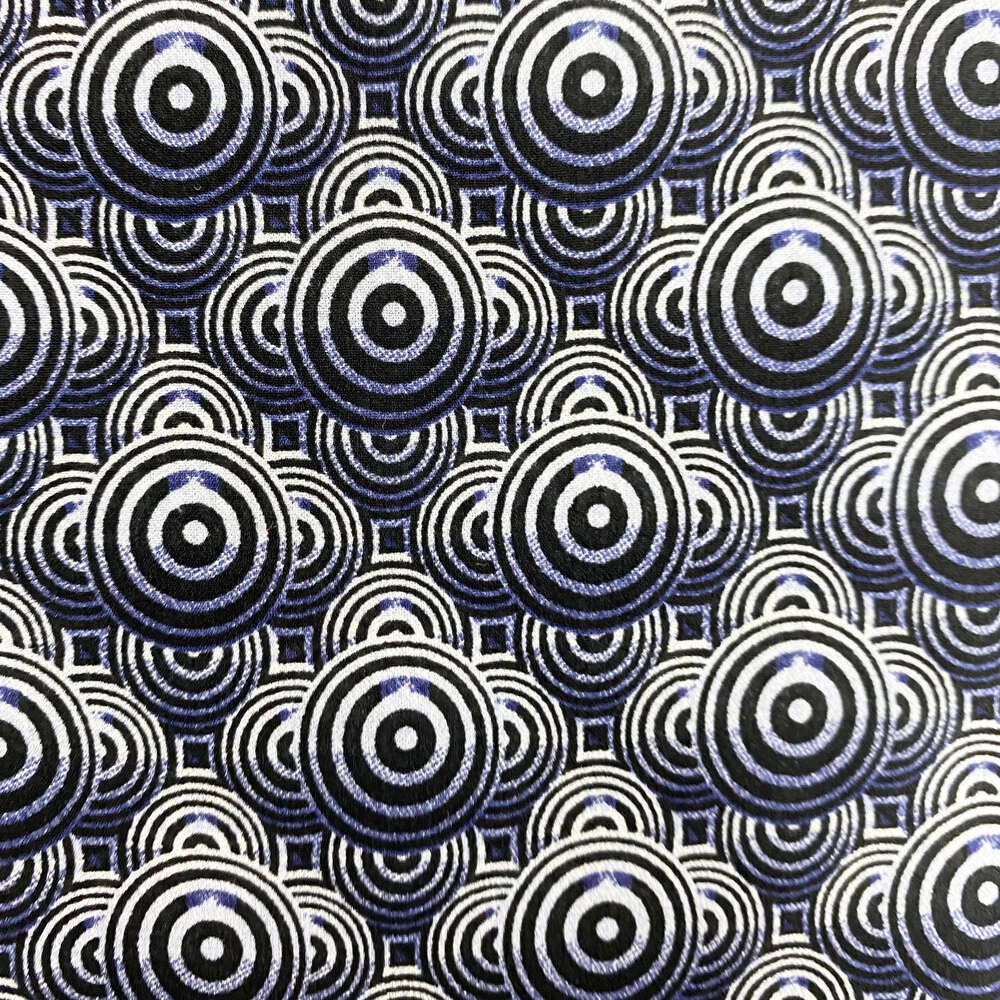
As the name suggests, this collection is based on op art prints in the form of spheres and cubes. One of my favourite Gautier prints is from this collection, composed of three-dimensional spheres with concentric circular patterns and has similarities to the work of Tadasky (Tadasuke Kuwayama).
After watching the Autumn-Winter 1996-97 catwalk show, I saw all these elements and had an epiphany. There are dresses and trousers with welded seams, crimped like a 1960s copper flat roof, giving box-like legs and bodies. These architectural block elements were inspired by Piet Mondrian, well-known for his geometric paintings structured by black lines and red, yellow, and blue rectangles.
The psychedelic 3D spheres and cubes add a fourth dimension, adding a hypnotic layer to what you watch on the catwalk.
This brings me to the jacket, which is anything but subtle in its pattern, but its optical art tries to make you see dimensions before colours and patterns. I’ve been struggling to find an art movement to which I could attribute this pattern, and the closest I’ve got is Suprematism, established by the artist Kazimir Malevich, which emphasised the principles of geometry using simple geometric forms such as circles, squares, lines, and rectangles.
‘La Parisienne Punk’ | ‘House of Pleasures’ Spring / Summer 1997
Women’s prêt-à-porter / men’s prêt-à-porter

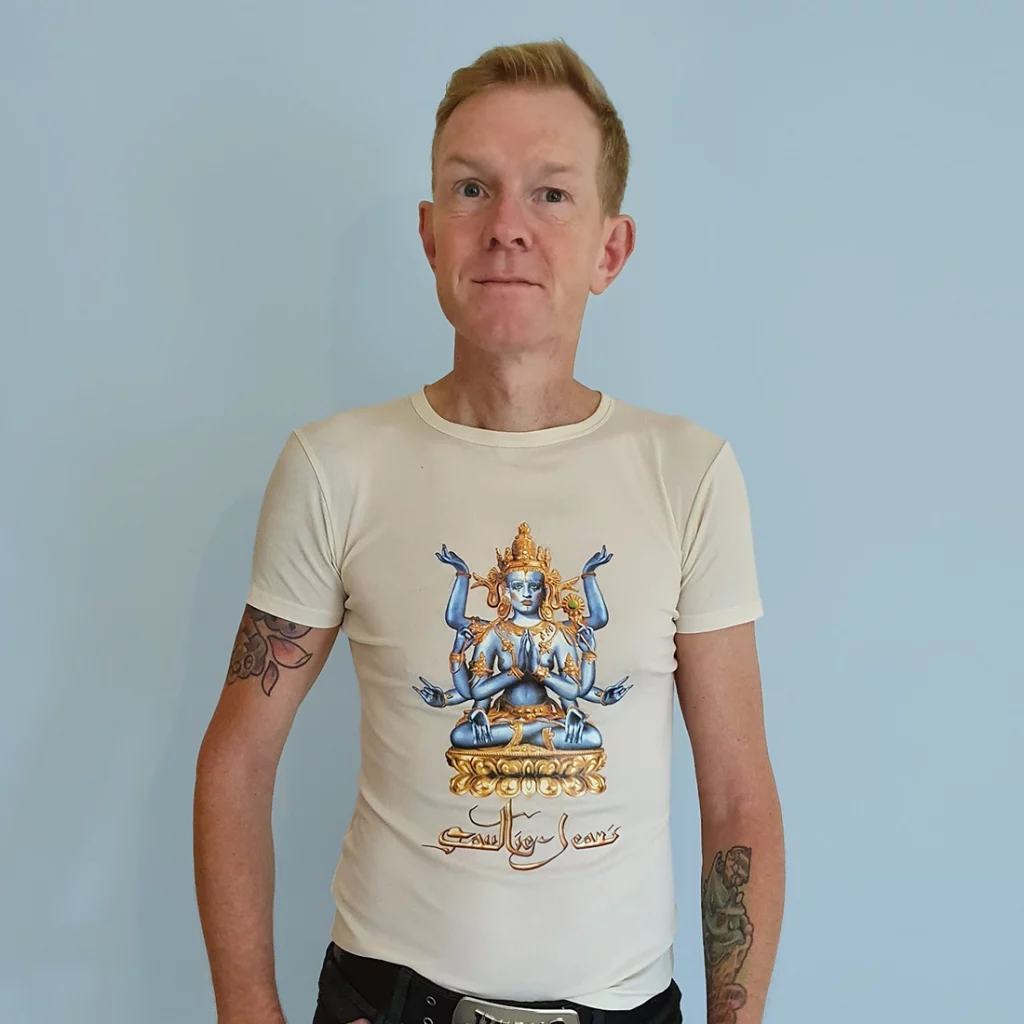
‘La Culture Noire et sa Force’ (Black Culture and its Force)| ‘Flower Power and Skinheads’ Autumn / Winter 1997

At a time when France’s immigration laws stoked the fire of racism, Gaultier fought back by celebrating the global influence of black culture via several lenses, including beauty, traditions, art, dance music, and costumes.
Gaultier reminisces, “In 1984, I met a woman in Barbès (a Parisian neighbourhood) dressed in a traditional wax boubou* over which she wore a large tweed man’s overcoat. This inspired a whole mixed collection. 13 years later, I wanted to once again pay homage to this culture. way more marked and show to what extent it influenced fashion in general.”
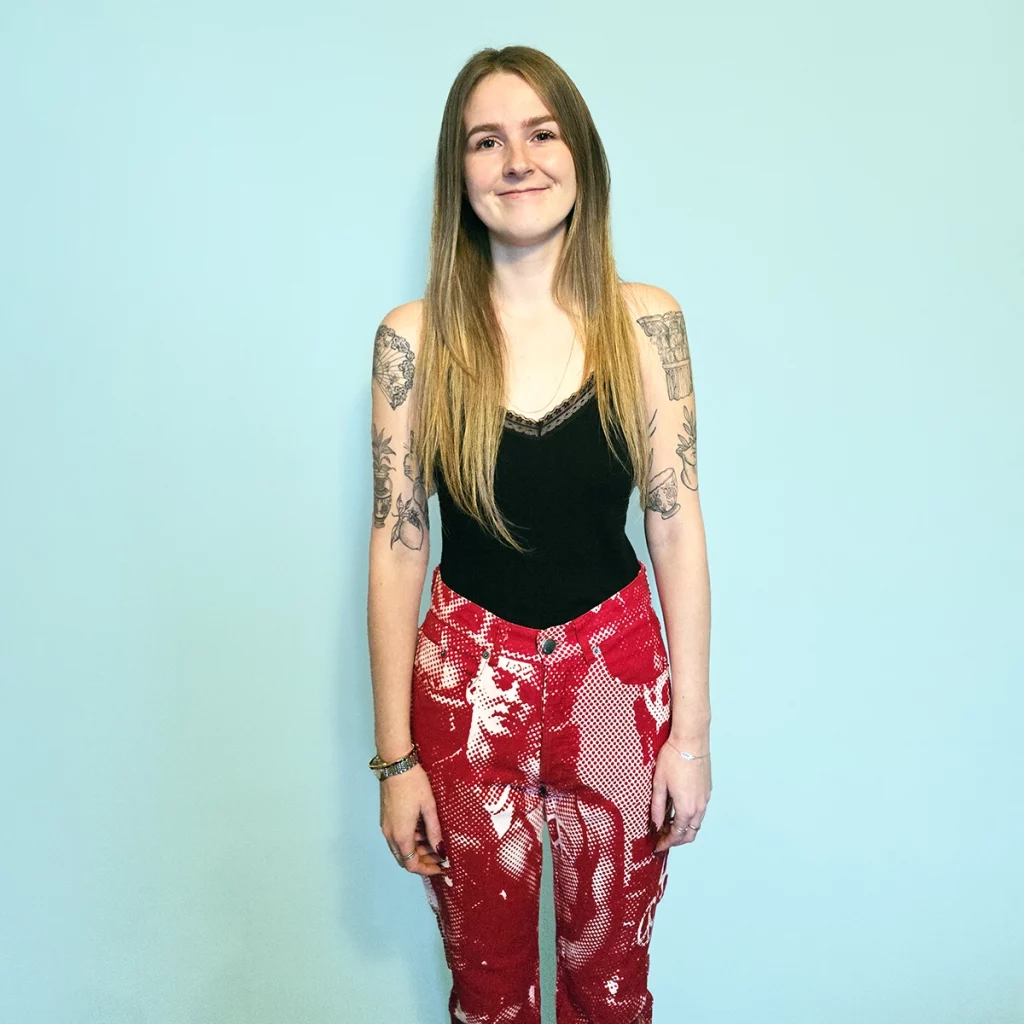
As one of the motifs of this collection, the French designer launched a graphic print series in a newspaper halftone effect that advocates the fight against racism. Most photographs reproduced in newspapers are printed as halftones. In a halftone, the continuous tones of the reproduced picture are broken into a series of equally spaced dots of varying size.
At close sight, you can appreciate young anti-fascists with a very strong skinhead aesthetic, wearing clothes with the message “Fight against racism”, including anarchist and hippy symbolism, such as the peace sign.
The Skinhead movement arose in the late 1960s as a result of an amazing coming together of newly arriving migrants from the West Indies and white working-class culture, making it one of the most misinterpreted subcultures in the United Kingdom.
‘Tribute to Frida Kahlo/Flamenco’ Spring / Summer 1998
Women’s prêt-à-porter
“Macho Elegance” Spring / Summer 1998
Men’s prêt-à-porter

This piece is one of the first vintage Gaultier items I have bought. It’s from the ‘Tribute to Frida Kahlo/Flamenco’ collection of Spring / Summer 1998. It is one of many Gaultier items that reinvent the trucker jacket, in this instance with a punkish safety pin closure.
Very different from Frida Kahlo’s iconic style of full-circle skirts, maxi shawls, braided hair, floral headbands, and unruly brows.
Naomi Campbell and Linda Evangelista walked down the runway in Gaultier’s Frida Kahlo-inspired collection, wearing monobrows.

‘Like a Prayer’ Autumn / Winter 1998-99
Men’s prêt-à-porter
‘Les Existentialistes’ Autumn / Winter 1998-99
Women’s prêt-à-porter
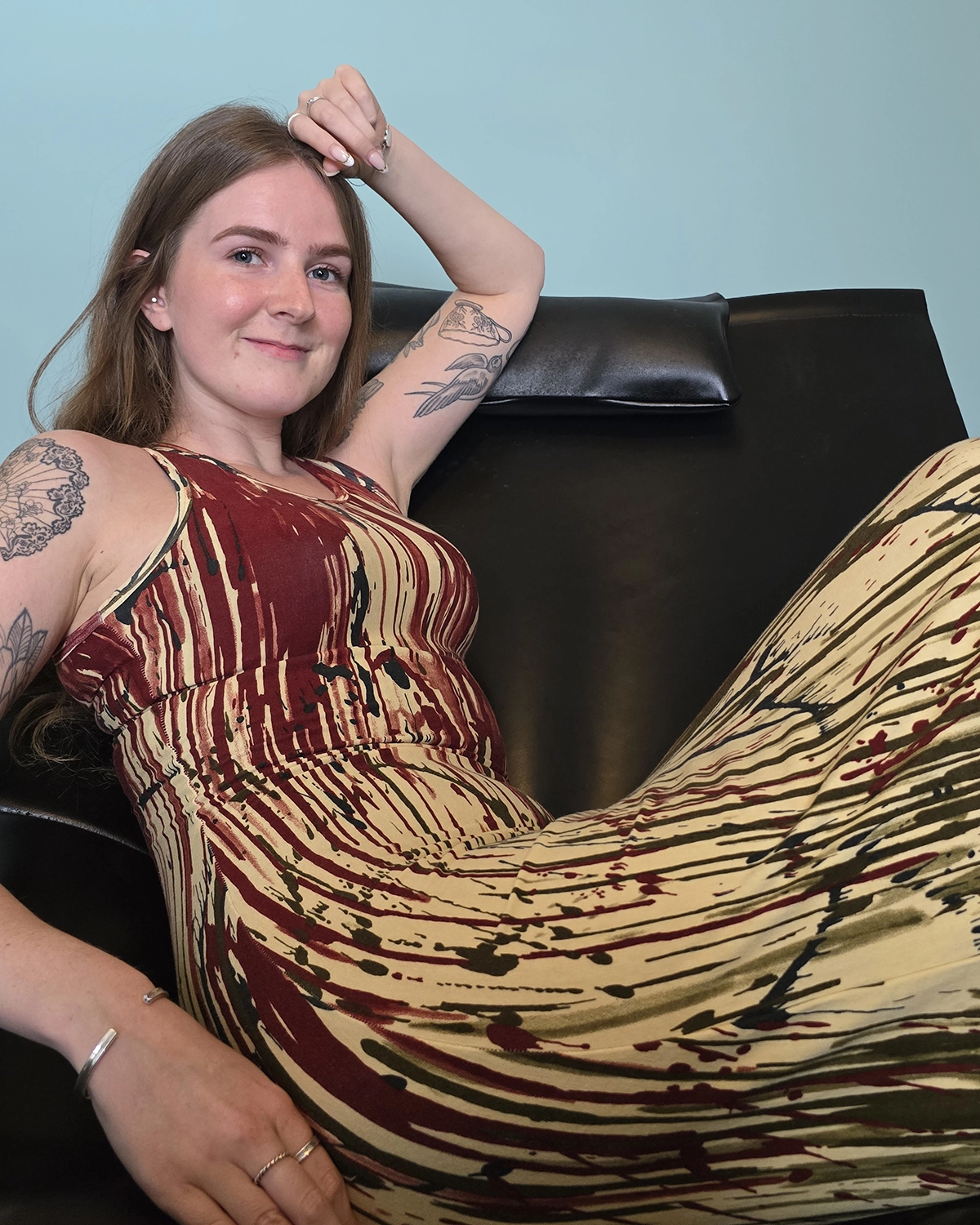
‘Les Touristes Japonaises au Louvre’ Spring / Summer 1999
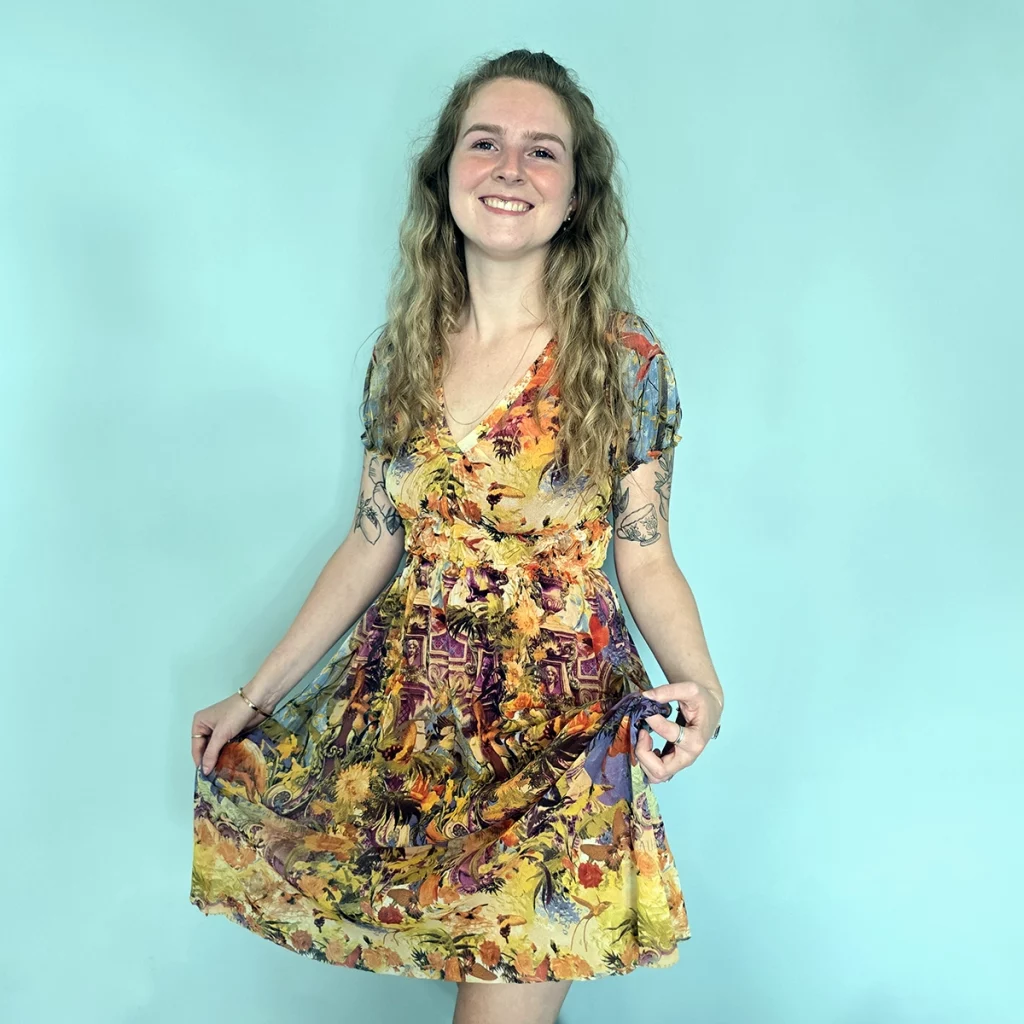
This is such a simple yet effective concept of how Japanese tourists at the Louvre would be inspired to meld Japanese-influenced garments with the theme of Hellenistic statues from Ancient Greece.
The statue prints were a key element of the collection, becoming an iconic motif for Gaultier, reinforced by plaster casts of statues from the Louvre as the backdrop for the show
A standout piece from the collection is a dress featuring a trompe l’oeil print of a statue, possibly Aphrodite, creating the illusion of a sculpted naked body with its modesty partly spared with a draped cloth. A kimono dress with a Venus de Milo print beautifully represents the collection, including blossoms, Japanese writing, and randomly placed palm trees in its design.

‘The Third Millennium Will Be About Love’ Autumn / Winter 1999-2000

Scottish-inspired kilts from the Autumn/Winter 1998/99 show use the trompe-l’œil effect of hand-beaded tartan patterns, designed to imitate the woollen fabric of a traditional kilt.