Jean Paul Gaultier’s Spring/Summer 1989 Western Baroque collection blends cowboy influences with ornate European decoration, creating a striking contrast between rugged and elaborate styles.
- Collection: Western Baroque
- Season: Spring/Summer 1989
- Location: Paris — archival location data unavailable
- Theme: Cowboy iconography mixed with ornate European decoration
Tatjana Patitz, Linda Evangelista
Western Baroque: Where Cowboy Style Meets Baroque Ornamentation
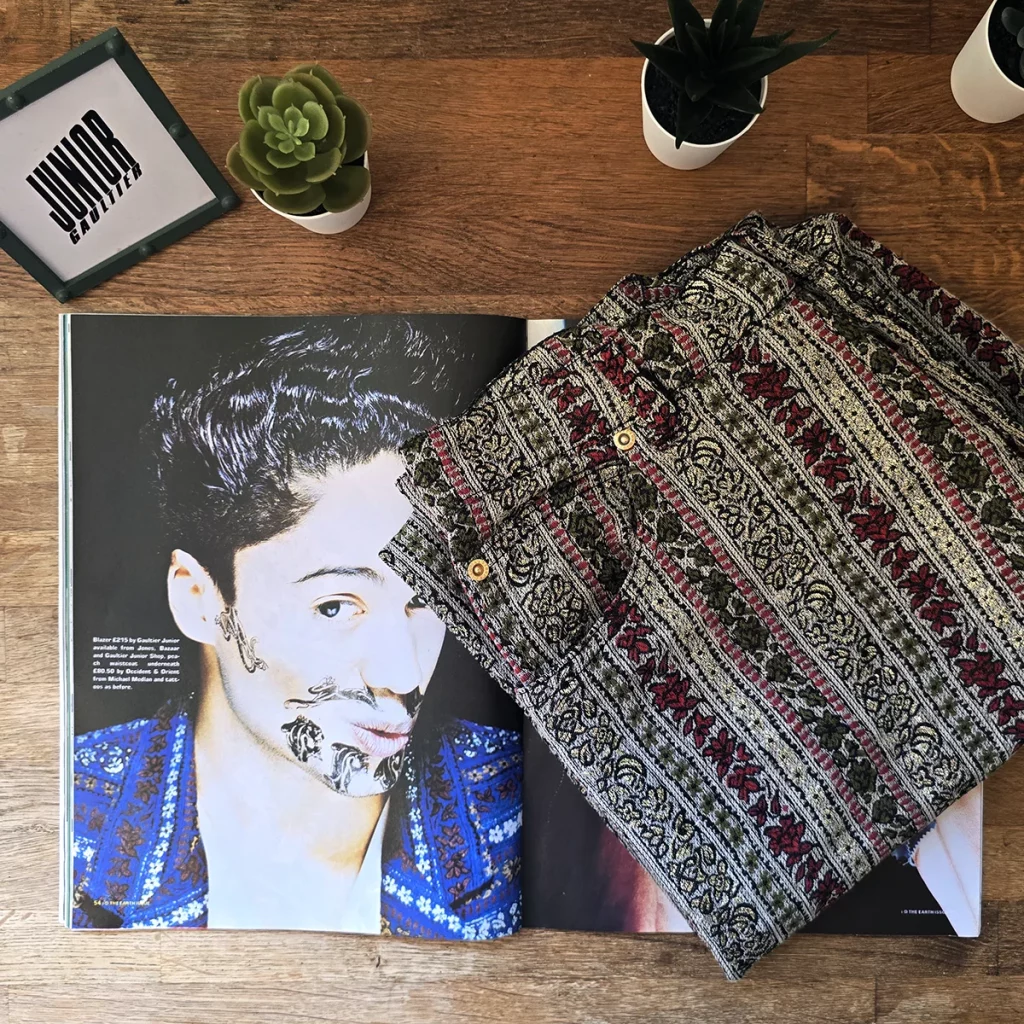
Although this t-shirt is not the most exciting of Junior items, I’d coveted it for a while (in the right size and condition). I don’t usually wear designer clothes that have their labels emblazoned on them, but the simple Junior Gaultier logotype upon the leopard print from the runway was something I had to have. As with many Junior items, the graphic was made from a hard-wearing plastic transfer. The sporty striped trimming bands around the neck and sleeves elevate the look and complement the black logo. Although some Junior Gautier t-shirts are made from gossamer-thin cotton, this material is quite substantial.
Why Leopard Print Became a Signature Motif in Western Baroque
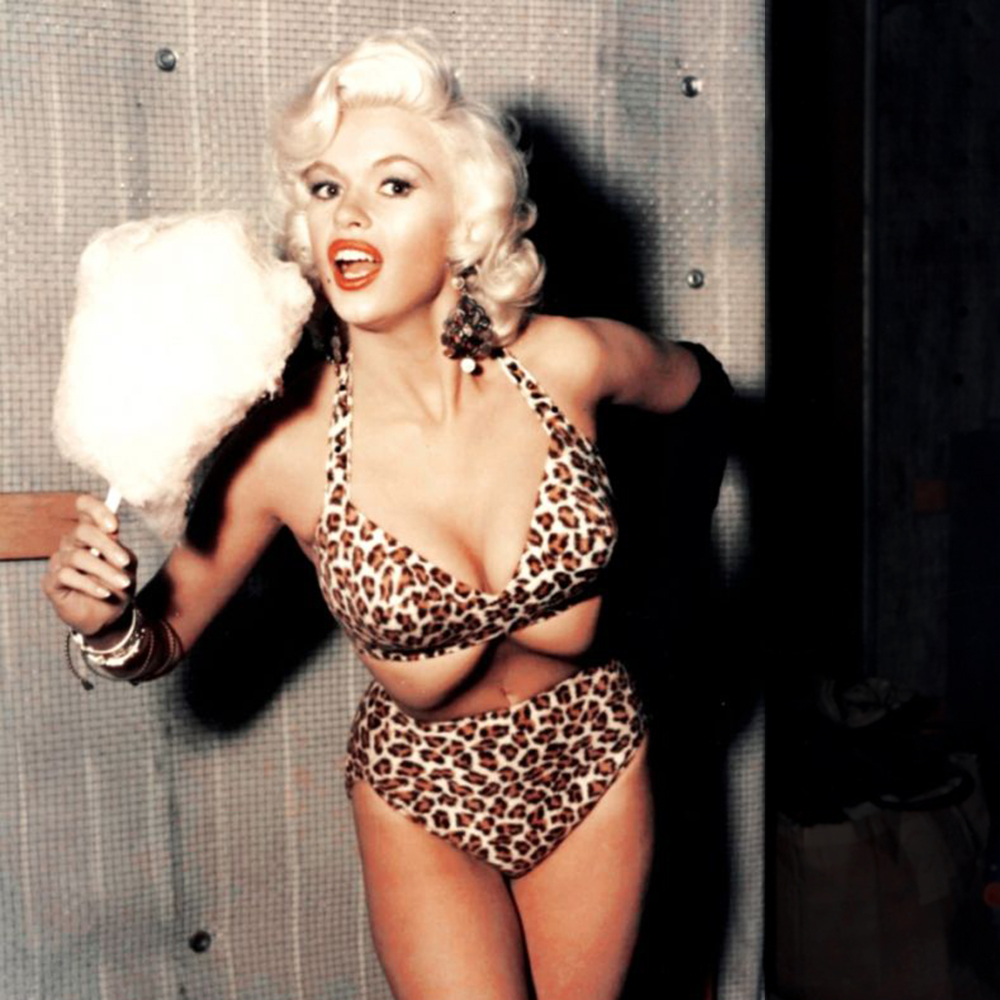
Between the 20s and the 60s animal skin, particularly leopard skin, was very popular and an important status symbol among the wealthy, either hung on the wall as a hunting trophy or hung on women’s shoulders as a sign of style. Pin-up models such as Jayne Mansfield and her famous leopard spot bikini gave the print a slightly glamorous and erotic association. By the 70s, wearing leopard print was seen as being trashy and tacky, with Bet Lynch, a character from the UK soap opera Coronation Street, finally ending any glamorous association.
Of course, like many things rejected by conventional society, youth subcultures such as punks adopted leopard print as a wardrobe staple. This is a great article charting the use of leopard print in fashion
Chaps, Brocade and Embellishment in Western Baroque
Researching the collections that my items come from has been very interesting, leading me to watch many shows to spot Junior items. In doing so, it’s given me a greater appreciation of Gaultier’s main lines and how they match the Junior pieces.
The Western Baroque collection is a prime example of this. In researching a simple T-shirt, I appreciate the varying levels of themes used across a collection. Stetsons, neckerchiefs and chaps are easy to interpret as part of Western attire and are abundant in this collection. Despite the extravagance and flamboyancy of the Baroque style, it had a particular strength of character. Tate defines it as “… the dominant style in art and architecture of the seventeenth century, characterised by self-confidence, dynamism and a realistic approach to depiction.”
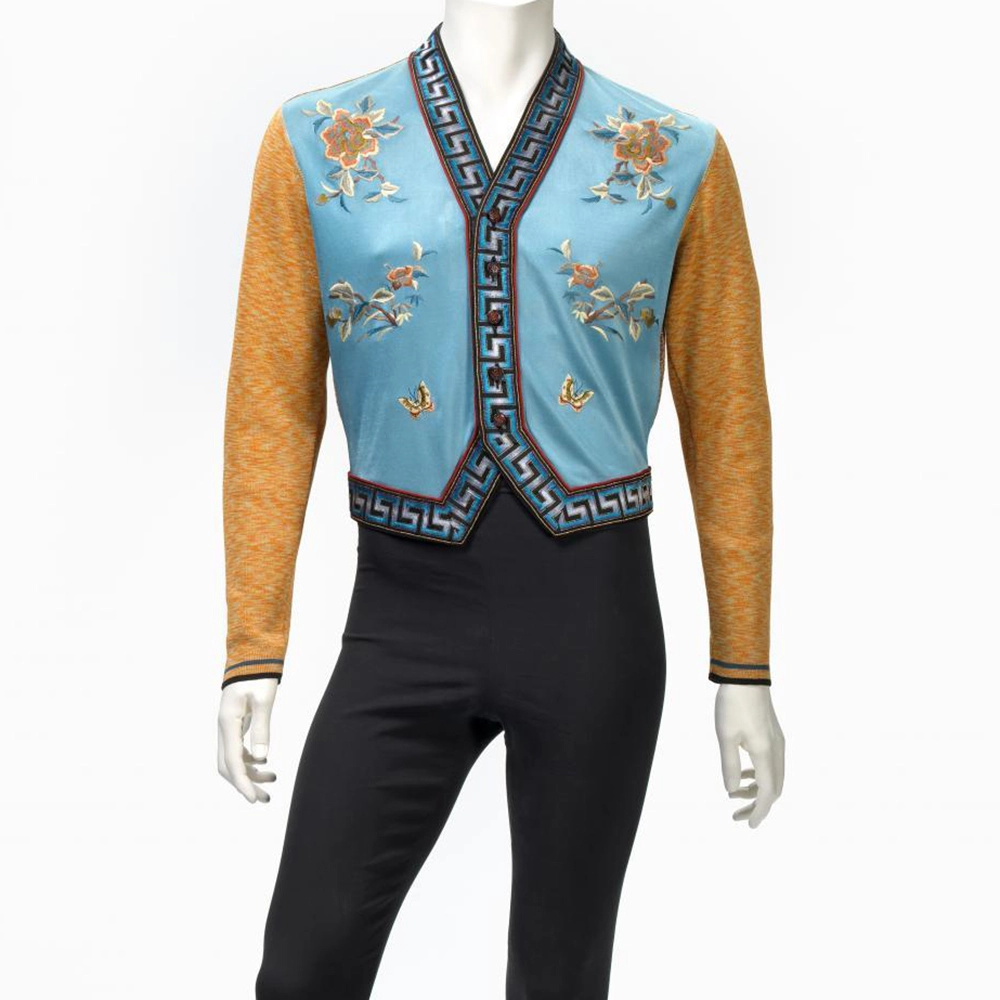
Although I doubt many cowboys have ever seen a leopard, the same pattern on this t-shirt features heavily in the collection. The 1989 show started with the most ornate of patterned and adorned waistcoats, gold lurex jackets, crotchless chap-like shorts (overt your eyes or embrace the bulges), and highly embellished neckerchiefs worn over the face. Striped leggings moved to blazers as a more formal and tailored look evolved. The theme remained more subtle, with crotchless suit trousers as a nod to the chaps.
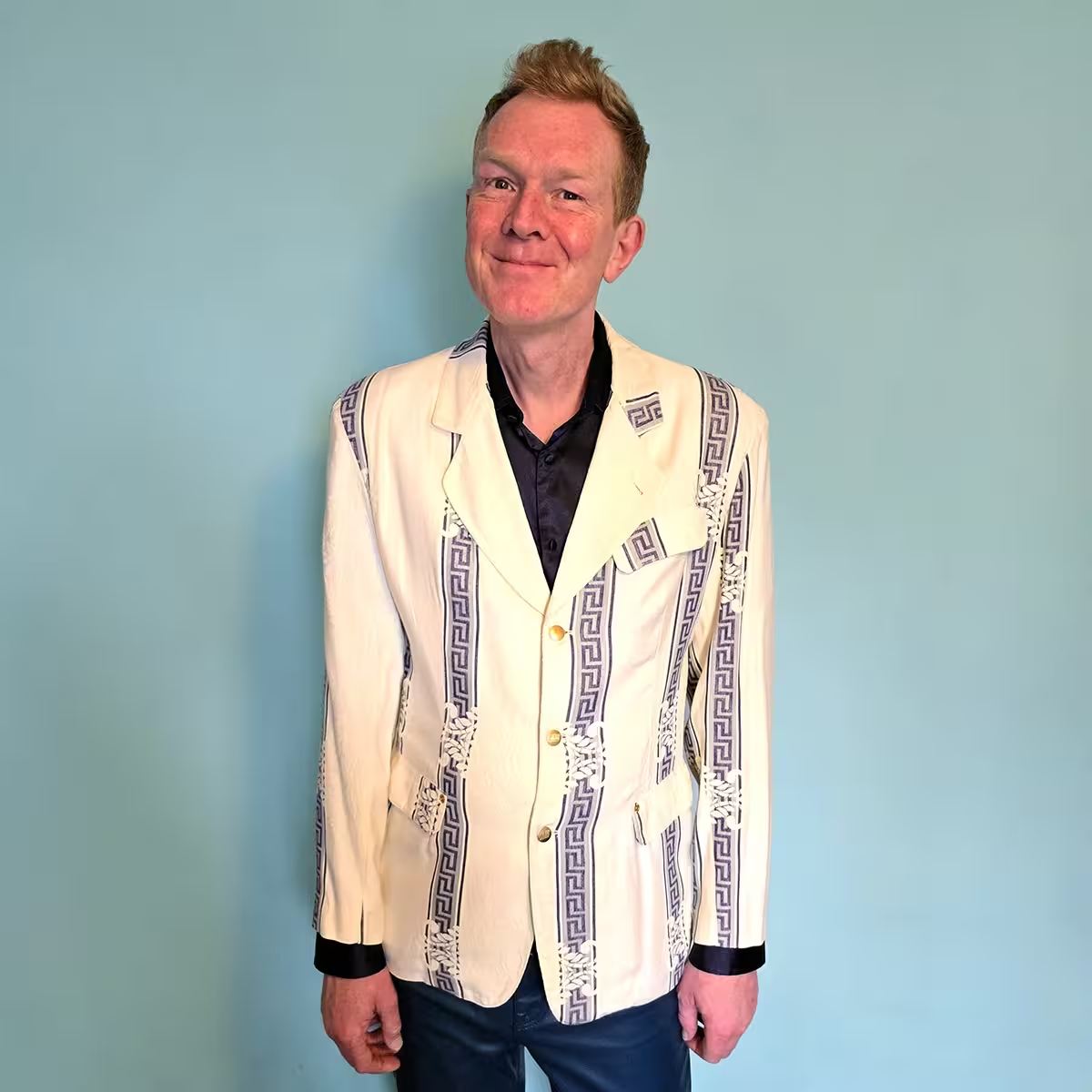
The jacket below is a great example of extravagant ornamentation, constructed in off-white brocade, with blue and black Grecian border designs woven into the fabric.